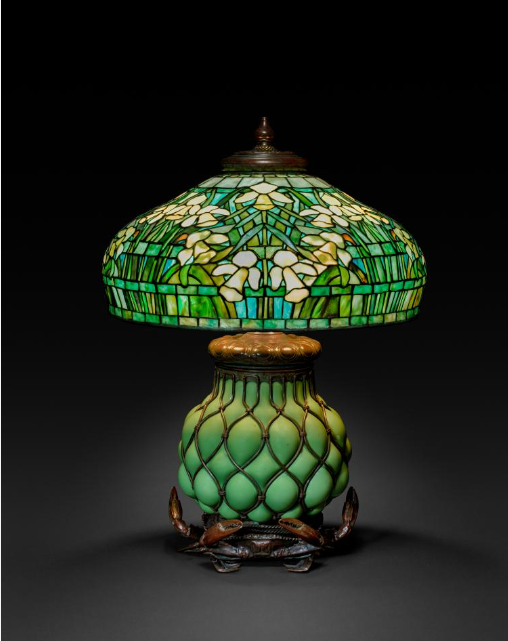
The Brief But Very Colorful History of Stained Glass in the U.S.
When setting out in the 1600’s on a very long & arduous journey on a rickety boat to a new life in a completely different country half way across the world, any reasonable person would have included stained glass amongst their absolutely essential items.
The Puritans did not. Because clearly they were unreasonable.
And so the newly settled American colonists were plagued to spend the rest of their lives contemplating their terrible decor decisions whilst staring out their colorless windows.
Just kidding. They did have to for a while, but…
Despite the Puritans puritanicality (you get to make up one word a day, that’s mine), some attempts to manufacture stained glass did occur in 16th century Boston & Philly.
By the early 19th century, people grew weary of the “meh”, they got better at production (they would’ve been kinda dumb not to given the plethora of raw materials available to make it), and stained glass started finding a home in churches.
They mostly failed, so most any stained glass found in America at the time was imported from England. And that didn’t happen much because importing was ridiculously expensive.
In the second half of the century, the industry was booming as more & more buildings were fancied up with bright & beautiful glass.
Louis Comfort Tiffany & John LaFarge experimented throughout the 1870’s developing opalescent glass. LaFarge was the first to use it in his windows, but Tiffany is more famous since he put out a metric crap ton of it (and his famous family name might well have helped a lil).
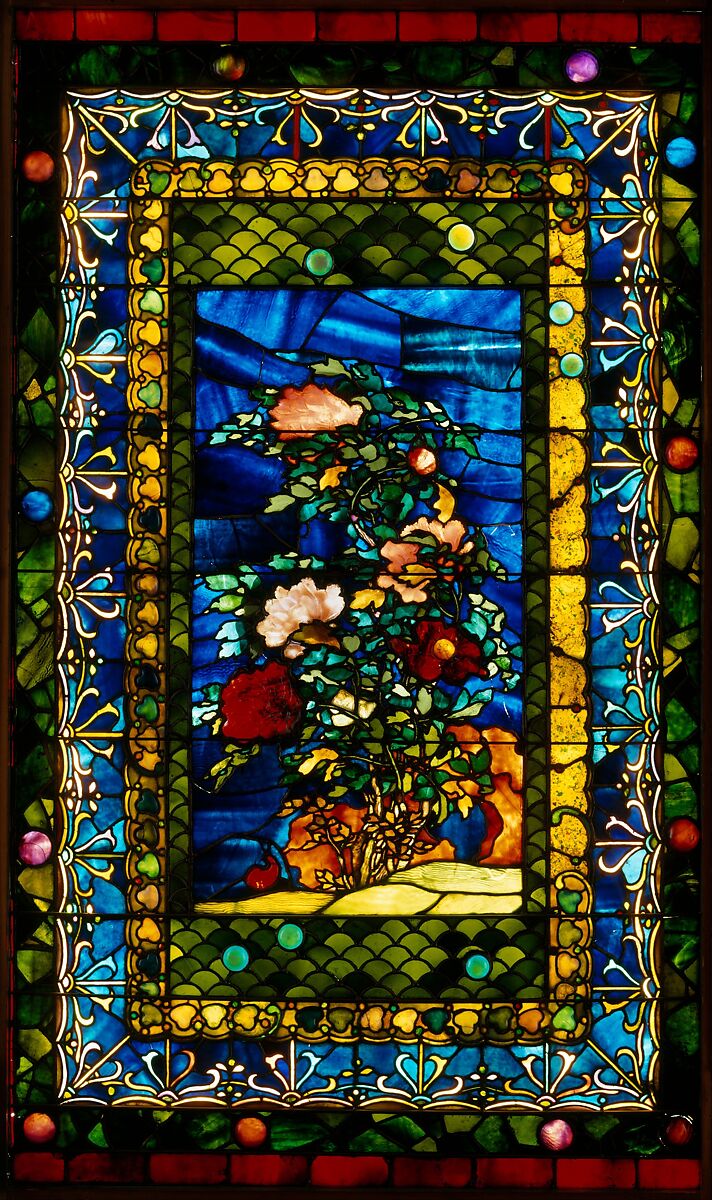
John Lafarge Peonies Blow In The Wind c.1880 Photo courtesy Met Museum
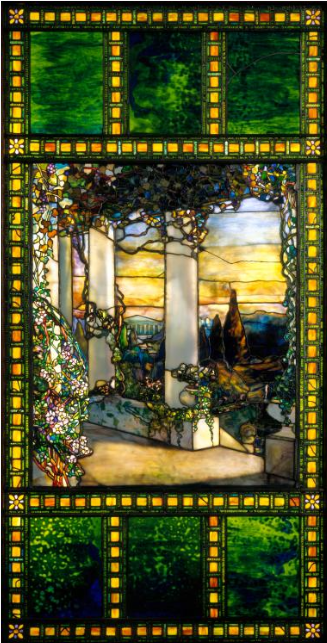
Louis C. Tiffany Hinds House Window c.1900 Photo courtesy Cleveland Museum of Art
Having gotten the manufacturing bit down in the Northeast & Midwest, costs became more reasonable, and thus, more readily available to the masses. Beautiful transom windows, door panels, windows, & lamps became and remained all the rage straight through the 1920’s.
The 1930’s ushered in the Great Depression and the Golden Age of stained glass slowly slumped as everyone decided eating was more important than art (silly, silly people). By the 1940’s stained glass had fallen into near obscurity with World War II given that the need for glass on tanks & warships was surprisingly minimal.
Fortunately, countless amounts of windows, transoms, door panels, & lamps have survived the last century due in great part to the care & quality of craftsmanship the artists of their time put into their work.
And as long as we continue that tradition of quality, the resurgence of interest in stained glass by professionals and hobbyists alike in recent years gives hope that our beloved, beautiful art will survive for many years to come.

For more stained glass fun including articles, tutorials, puzzles, patterns, and tips & techniques, subscribe to our
Made In Glass Mini Magazine!
It’s Free!😁
Read it online or print it out.
Courtesy of Mountain Woman Products Studio & Shop

Peace, Love, & Stained Glass,

